
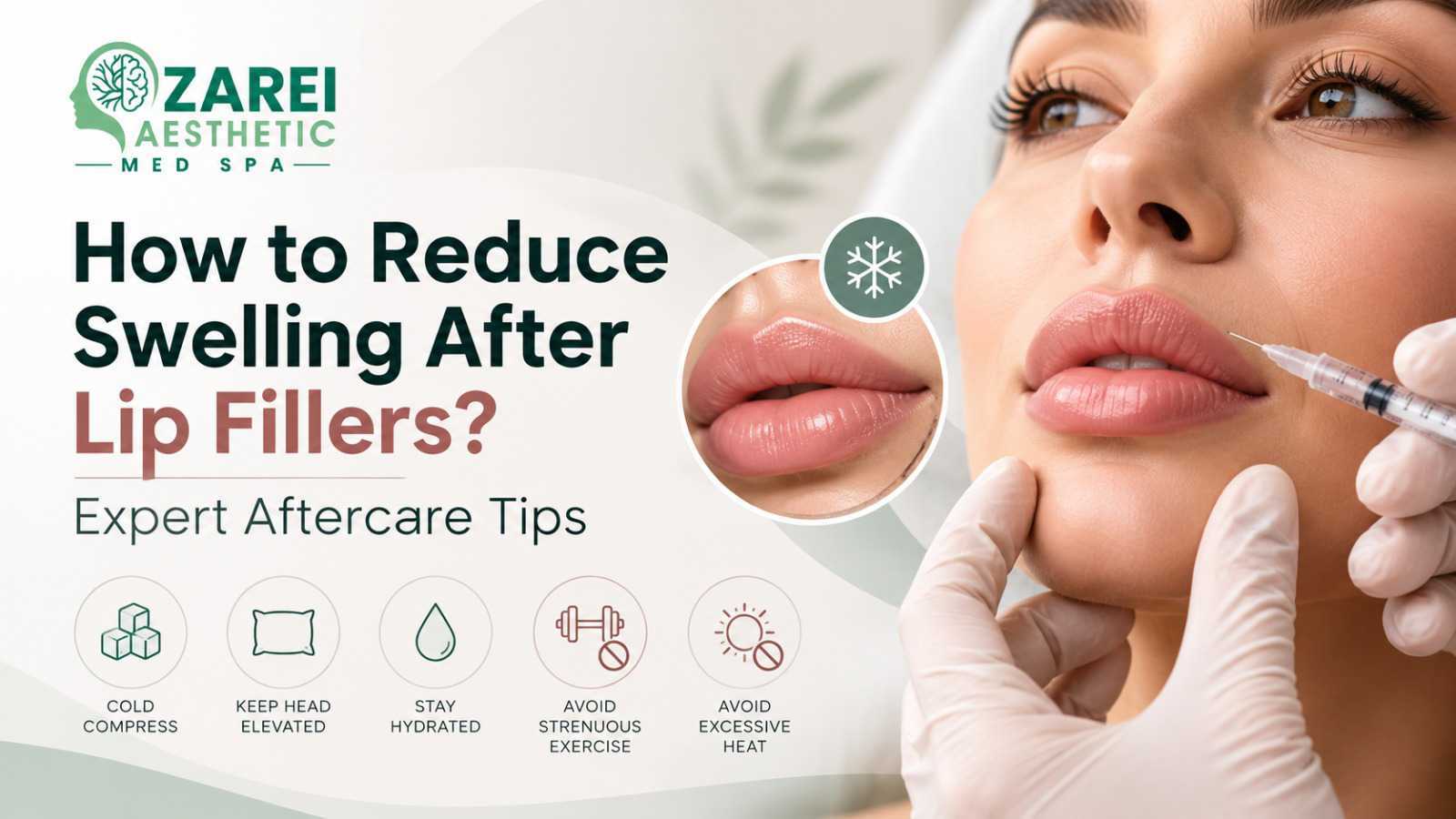
Lip fillers are a popular aesthetic treatment for enhancing lip volume, improving definition, and creating a more balanced appearance. However, swelling after treatment is common and can temporarily make the lips look fuller, uneven, or different from the expected result.
If you have recently received lip fillers, you may be wondering how to reduce swelling after lip fillers and how long it will take for your lips to look and feel normal again. The good news is that mild swelling is generally temporary and often improves over the first several days.
With appropriate aftercare and guidance from a qualified provider, you can support the healing process while understanding what to expect during recovery.
Why Do Lips Swell After Filler Injections?
Lip filler treatments typically involve injecting a gel, often made from hyaluronic acid, into specific areas of the lips. The injections can trigger a temporary inflammatory response, resulting in swelling, tenderness, redness, and sometimes bruising.
The lips are particularly sensitive because they contain delicate tissue and have a rich blood supply. Consequently, swelling can be more noticeable here than in some other areas treated with dermal fillers.
Several factors can influence the degree of swelling, including the amount and type of filler used, injection technique, individual sensitivity, and the body’s natural healing response.
Mild swelling does not automatically mean something has gone wrong. However, severe pain, unusual skin discoloration, or rapidly worsening symptoms should never be dismissed as normal recovery.
How to Reduce Swelling After Lip Fillers
Although you cannot eliminate swelling immediately, a few practical aftercare measures can help manage discomfort and support recovery.
1. Apply a Cold Compress Gently
A cold compress is one of the simplest ways to help ease swelling and discomfort after lip filler injections.
Wrap a cold pack in a clean, soft cloth and apply it gently to the lips for short intervals, following your provider’s instructions. Avoid placing ice directly against your skin, as extreme cold can irritate or damage the delicate tissue.
Do not press firmly or hold the compress in place for prolonged periods. Gentle application is sufficient to provide comfort without putting unnecessary pressure on the treated area.
2. Keep Your Head Elevated
Keeping your head slightly elevated while resting may help you feel more comfortable during the early recovery period.
When sleeping, consider using an additional pillow to raise your head, provided this position is comfortable for you. Try to avoid sleeping face-down or placing direct pressure on your lips.
This simple adjustment can make resting easier while your body gradually recovers from the injections.
3. Avoid Strenuous Exercise Temporarily
Intense exercise can increase blood flow and may aggravate swelling or bruising immediately after treatment.
Consider avoiding vigorous workouts, heavy lifting, and other strenuous activities for at least 24–48 hours, or for the period recommended by your injector.
Gentle everyday movement is generally reasonable if you feel well. However, allow your lips time to recover before returning to demanding exercise.
4. Stay Hydrated
Drinking enough water supports normal bodily functions and overall recovery. Make a habit of drinking water throughout the day rather than relying on sugary drinks or excessive caffeine.
Hydration is beneficial for general health, but it is important to understand that drinking extra water will not instantly remove filler-related swelling.
If your lips feel tender, choose foods and drinks that are comfortable to consume and avoid anything that irritates the treated area.
5. Avoid Excessive Heat
Hot environments and activities that raise body temperature significantly may make swelling or bruising more noticeable during the early recovery period.
For the first day or two, follow your provider’s advice about avoiding saunas, steam rooms, hot baths, and prolonged exposure to intense heat.
Use lukewarm water when washing your face and avoid applying heating devices directly to the lips unless specifically instructed by your treating professional.
6. Do Not Massage Your Lips Unless Instructed
It can be tempting to massage swollen lips or press on small lumps in an attempt to make the filler settle more quickly. However, unnecessary manipulation can irritate the treated tissue.
Do not squeeze, knead, or repeatedly touch your lips. Massage should only be performed when your treating provider specifically recommends it and explains the appropriate technique.
If you notice persistent lumps, pronounced asymmetry, or an unusual change in texture, contact your provider for an assessment instead of trying to correct it yourself.
7. Follow Your Provider’s Aftercare Instructions
Every treatment plan is different, and your injector may recommend specific precautions based on the filler used and your individual needs.
Follow their guidance about skincare products, makeup around injection sites, exercise, and any medications. Do not start medication or supplements to reduce swelling without checking whether they are appropriate for you.
If you experience discomfort, ask your provider which pain-relief options are suitable, particularly if you have existing medical conditions or take other medications.
How Long Does Lip Filler Swelling Last?
Swelling varies from person to person, but understanding the general recovery timeline can help you set realistic expectations.
First 24–48 hours: Swelling and tenderness may be most noticeable. Your lips may look fuller than expected, and mild bruising can develop around injection sites.
Days 3–5: Swelling often begins to improve, although some tenderness, bruising, or unevenness may remain.
Days 7–14: Many people see substantial improvement as the initial swelling settles. Your lips may begin to look more natural and balanced.
Two to four weeks: Some residual swelling or tissue changes may take longer to resolve completely. Your provider can advise when to assess your final result.
These timeframes are general guidelines, not guarantees. If swelling worsens instead of improving, contact your provider for medical advice.
When Is Lip Swelling a Cause for Concern?
While mild swelling is common after lip fillers, certain symptoms may indicate a complication that requires urgent assessment.
Contact your injector immediately if you experience severe or increasing pain, unusual white or pale patches, blue or purple skin discoloration, or skin that feels unusually cool. These can be warning signs of vascular occlusion, a rare but serious complication in which blood flow is compromised.
Seek emergency medical attention if you experience vision changes, difficulty breathing, or other severe symptoms. Do not wait for the swelling to subside on its own.
Increasing redness, warmth, fever, discharge, or progressively worsening swelling may also require prompt medical evaluation because they can indicate infection or another adverse reaction.
When in doubt, contact a qualified medical professional rather than assuming that every symptom is part of the normal healing process.
Why Choose Zarei Aesthetic?
Choosing an experienced aesthetic provider is an important part of a positive lip filler experience. As a medical spa in Orange County, Zarei Aesthetic focuses on personalized aesthetic care, helping patients understand their treatment options, set realistic expectations, and receive appropriate aftercare guidance. Every treatment should prioritize careful technique, patient safety, and results that complement each individual’s natural features.
At Zarei Aesthetic in Orange, California, Dr. Sara Zarei, MSc, MD, PhD, brings a background in neurology and aesthetic medicine to personalized aesthetic care.
Every patient’s facial features, treatment goals, and response to injections can differ. A consultation provides an opportunity to discuss your concerns, understand the potential benefits and risks of lip fillers, and receive guidance tailored to your needs.
Whether you are considering lip augmentation for the first time or have questions about swelling after a recent treatment, professional guidance can help you understand the recovery process and recognize when additional assessment may be necessary.
To learn more about available aesthetic treatments or discuss your concerns, contact Zarei Aesthetic to arrange a consultation.
Conclusion
Learning how to reduce lip swelling after fillers starts with understanding that some swelling is a normal part of the recovery process. Gentle cold compresses, temporary activity modifications, adequate hydration, and following your provider’s instructions can help you manage discomfort while your lips heal.
Most initial swelling improves over several days, although complete settling may take longer. Avoid excessive pressure or self-treatment, and seek prompt medical attention for severe pain, unusual skin color changes, vision problems, or other concerning symptoms.
If you are considering lip fillers or have questions about your recovery, Zarei Aesthetic can help you explore your options and understand the importance of personalized treatment and aftercare.